
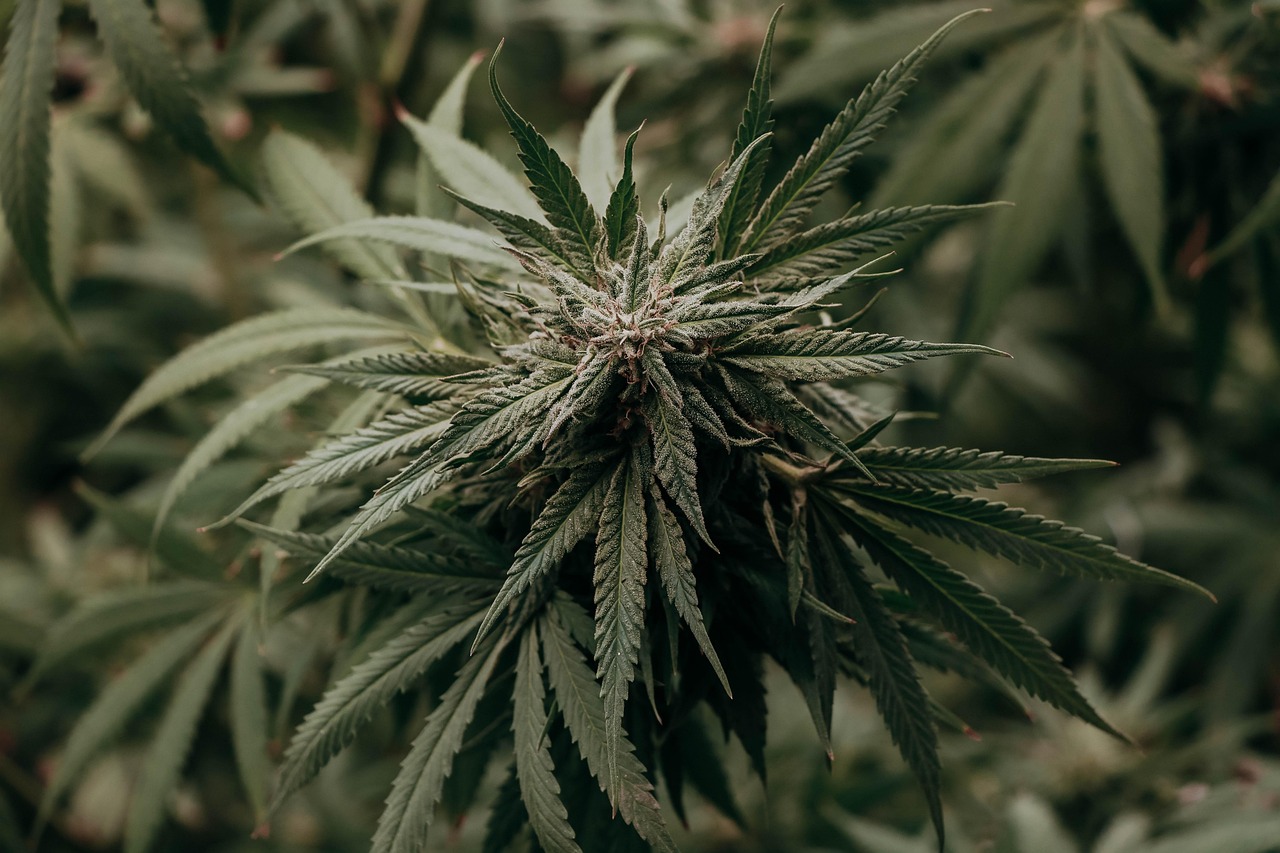
Weed shop in Belgium
Belgium, known for its rich history, cultural heritage, and tolerant attitude towards certain vices, has a unique and evolving landscape when it comes to cannabis. The country has seen a significant shift in how cannabis is perceived and regulated over the years. This article aims to provide an overview of the current state of weed shops in Belgium, exploring the legal framework, the market, and what consumers can expect.
Legal Framework
Belgium’s stance on cannabis is characterized by a mix of tolerance and strict regulation. While the possession and consumption of cannabis are technically illegal, the country has implemented policies that allow for some leniency. The law distinguishes between possession for personal use and trafficking. Possession of up to 3 grams of cannabis is considered a low priority for law enforcement, and there’s a tolerance for personal use in private spaces.
The sale of cannabis, however, remains illegal, creating a gray area for “coffee shops” and “smart shops” that have popped up across the country. These establishments often openly sell cannabis products, relying on the tolerance of the authorities.
The Rise of Weed Shops
Weed shops, or cannabis cafes, have become increasingly common in major cities like Brussels, Antwerp, and Ghent. These shops vary in their offerings, from a wide range of cannabis strains to related products like paraphernalia and edibles. They often operate under the guise of being private members’ clubs or by selling “gift items” with cannabis, walking a fine line between legality and illegality.
The quality and variety of cannabis available in these shops can be quite high, attracting both locals and tourists. However, the lack of regulation means that consumers are often at the mercy of the shop owners for the quality and safety of the products.
Challenges and Controversies
- Legal Uncertainty: The ambiguous legal status of weed shops creates uncertainty and risk for both operators and consumers.
- Quality Control: Without regulation, there’s a risk of inconsistent quality and safety of cannabis products.
- Public Perception: The visibility of weed shops can be a point of contention, with some neighborhoods and communities expressing concerns about their presence.
Future Directions
Belgium’s approach to cannabis is evolving, with discussions about further legalization and regulation. Some political parties and advocacy groups are pushing for a more liberal cannabis policy, including the establishment of a regulated market. Such a move could provide clarity and safety for consumers and potentially generate significant tax revenue.
For now, those looking to visit a weed shop in Belgium should be aware of the legal nuances and the potential risks involved. It’s also worth considering the broader social and health implications of cannabis use.
The landscape of weed shops in Belgium is complex and subject to change. As the country continues to navigate its cannabis policies, it’s likely that the market will evolve, potentially becoming more regulated and safer for consumers. Until then, those interested in exploring Belgium’s cannabis scene should do so with caution and an understanding of the current legal and cultural context.
Consumer Guidance
For tourists and locals alike, navigating the world of cannabis in Belgium can be daunting. Here are some tips for those looking to explore the cannabis scene:
- Know the Law: Understand that while possession for personal use is tolerated to a certain extent, selling and trafficking are illegal.
- Research: Look for reputable shops and read reviews. Some shops are more reliable than others when it comes to quality and safety.
- Quality Check: When purchasing, check the product for visible signs of quality. Be aware that lab testing is not mandatory, so there’s no guarantee of what’s in the product.
- Consumption: Be mindful of where you consume cannabis. Public consumption is not tolerated and can result in fines.
Health and Safety Considerations
Cannabis use can have health implications, and users should be aware of the potential risks. Belgium has a well-regarded healthcare system, and there are resources available for those who may experience negative effects from cannabis use.
- Medical Guidance: If you’re using cannabis for medical purposes, consult with a healthcare professional to ensure it’s the right choice for your condition.
- Responsible Use: Be aware of your limits. Cannabis can impair judgment and coordination, so use it responsibly, especially if you’re planning to drive or operate machinery.
The Economic Impact
The cannabis industry, even in its gray state, is believed to contribute significantly to Belgium’s economy. A regulated market could potentially bring in substantial tax revenue and create jobs. However, there are also concerns about the potential social costs and the need for effective regulation to mitigate any negative impacts.
Looking Ahead
As attitudes towards cannabis continue to evolve across Europe, Belgium is likely to continue its path towards a more liberal cannabis policy. This could involve further decriminalization, regulation of sales, or even a fully legal market. Keeping an eye on political developments and public discourse will be key to understanding the future of cannabis in Belgium.
The world of cannabis in Belgium is complex, reflecting broader societal debates about drug policy, personal freedom, and public health. As the country moves forward, it will be interesting to see how its unique approach to cannabis evolves.




The article provides a comprehensive overview of the current state of cannabis laws and the weed shop scene in Belgium. It highlights the complexities and nuances of the legal framework, which is both informative and insightful.
I appreciate how the article delves into the gray areas surrounding cannabis sales in Belgium, shedding light on the operational tactics of weed shops and the challenges they face due to legal ambiguities.